Why Indian shop floors are switching to smarter, foot-operated air control for faster, safer output
The Hands-Free Problem Nobody Talks About
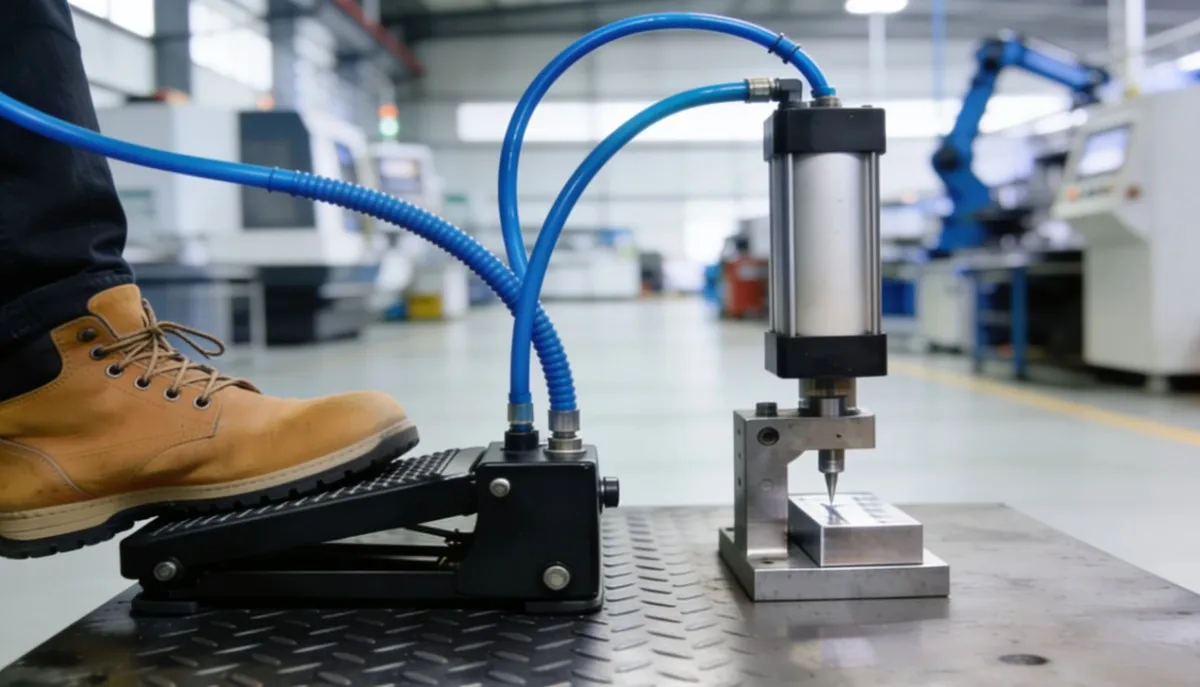
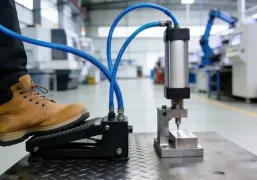
Two hands. That's all an operator gets. Yet most shop-floor tasks quietly demand three — one to hold the part, one to run the tool, and a phantom third to hit the switch. It never shows up, obviously. So people improvise. They wedge a part against their hip, or they stop mid-task just to flip a lever. Not efficient. Not exactly safe either. A Pneumatic Foot Pedal exists to close that gap — it moves the "on" command down to the foot, where it's free, and leaves both hands where they belong.
Nothing dramatic about this fix. No sensors, no dashboards, no software update. Just a simple mechanical trick that's been sitting under workbenches for decades, quietly doing its job. And as more Indian plants push toward tighter, faster automation, this unglamorous little component keeps getting rediscovered. That's part of why searches for Pneumatic Foot Pedals in Noida and similar manufacturing belts haven't slowed down.
Common Challenges Users Face
Ask any plant supervisor and you'll hear the same complaints, more or less:
- No free hand to trigger the machine while holding the workpiece
- Switches mounted somewhere awkward, so the operator breaks stride to reach them
- Wrist and shoulder strain from repeating the same hand motion for hours
- A worn-out switch that fires late — or worse, doesn't fire at all
- Dust and oil creeping into exposed electrical controls and shorting them out
- Not knowing which foot pedal pneumatic valve setup even fits the machine in front of them
None of this is rare. Walk any line still running on hand switches and you'll spot two of these within five minutes. Left alone, they wear people out — and tired operators make mistakes.
Product Overview
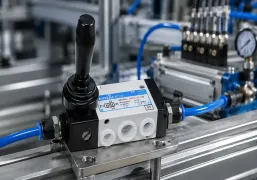
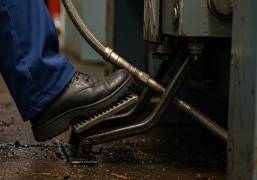
Strip away the jargon and a Pneumatic foot pedal valve is just a valve you step on. Press it, air moves into a cylinder or a clamp or a tool. Let go, and depending on whether it's built as a 3/2-way or a 5/2-way unit, that air either cuts off or reverses direction. No motor inside. No wiring to chase. Honestly, there's barely anything in there that can fail.
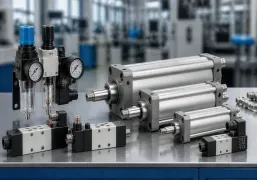
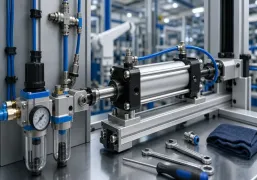
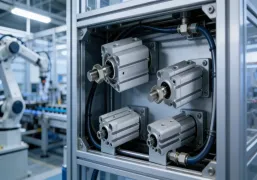
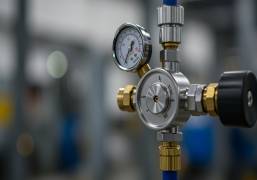
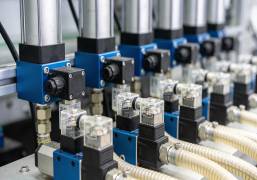
The body's usually cast aluminium, tough enough to take years of boots stepping on it, and the pedal surface is textured so it won't slide out from under a wet or oily shoe. It sits in the same family as other Pneumatic Automation Components — cylinders, fittings, control valves — the stuff that keeps a line moving without needing a single line of code.
How the Product Solves the Problem
Here's the trick: instead of asking someone to let go of a part just to flip a switch, the pedal does the switching for them. Step down — air flows. Lift the foot — it stops. One motion, no detour, no interruption.
- Both hands stay free to hold or guide the workpiece
- Fewer of those tiny pauses that quietly eat into an eight-hour shift
- Less chance of an accidental trigger, since it only reacts to real, deliberate pressure
- Holds up as a pneumatic foot pedal switch even where dust or humidity would kill an electrical one
- Runs off compressed air alone — no power cable required
|
Trivia:
Foot-treadle mechanisms go back further than most people guess — early sewing machines used them to replace hand-cranked power well over a century ago.
|
Key Features & Benefits
So what makes one pneumatic foot pedal control valve noticeably better than another? Usually it comes down to a few unglamorous design choices nobody notices until something goes wrong.
- A tread that stays grippy even when someone's boots are covered in oil
- Small enough footprint that it doesn't become a tripping hazard under the bench
- Choice of floor-mount or fixed-mount, depending on how the station is laid out
- Steady actuation force, so an ankle isn't fighting the pedal by hour six
- A body that shrugs off washdowns and humid, sticky shop-floor air
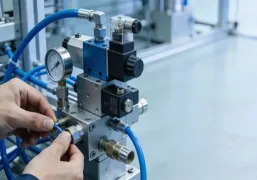
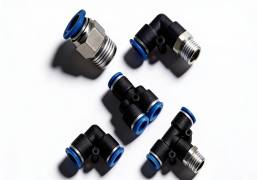
- Push-fit or threaded connections that don't turn installation into a half-day job
|
Did You Know?: One well-positioned foot pedal can strip out dozens of unnecessary hand movements every hour on a repetitive task — which is exactly why ergonomists rate it so highly for cutting fatigue.
|
Comfort isn't a footnote here, it's half the point. That's the reasoning behind Ergonomic pneumatic foot pedals In India gaining ground with plant managers who actually track fatigue and slowdown numbers instead of guessing. Get the angle and size right for natural ankle movement, and operators stay comfortable through a longer shift — which shows up directly in steadier output, shift after shift.
Real-World Applications
Foot-operated air control shows up in more corners of a plant than most people expect, honestly.
- Clamping and fixturing on welding and assembly jigs
- Firing pneumatic presses, riveting guns, and stamping fixtures
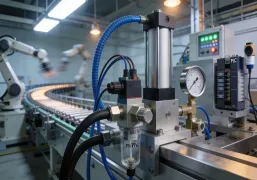
- Running sealers and sorting gear on packaging lines
- Powering test rigs and quality-check fixtures in labs
- Driving woodworking machinery and sheet-metal shop tools
- Automotive sub-assembly stations, where both hands are already full
|
Fact:
Compressed air systems react in a fraction of a second — which is exactly why pneumatic actuation stays the default choice for fast, repetitive factory work.
|
Technical Specifications
Here are the detailed technical specification of pneumatic foot pedal:
| Specification |
Typical Detail |
| Product Type |
Pneumatic Foot Pedal |
| Operating Pressure Range |
Up to 10 Bar |
| Valve Configuration |
3/2-Way or 5/2-Way |
| Body Material |
Aluminium with Non-Slip Pedal Cover |
| Actuation Method |
Foot-Operated Pneumatic Valve |
| Mounting Style |
Floor-Standing or Fixed Mounting |
| Typical Applications |
Pneumatic Tools, Clamping, Automation Lines |
| Design Priority |
Ergonomic, Compact, Durable |
Why Choose the Right Manufacturer
Not every supplier tests these the same way — and that difference shows up fast once a pedal's been stepped on a few thousand times. The better Pneumatic foot pedal manufacturers in India run every unit through pressure and cycle testing before it ever leaves the factory. That's what keeps the action feeling the same six months in as it did on day one.
- A product range covering valves, cylinders, fittings, and control gear
- Seals and materials proven under real industrial-grade, high-cycle conditions
- Someone who can actually help match the right pneumatic foot pedal valve to your machine
- Willingness to work with custom mounting or connection needs
- After-sales support that doesn't disappear once the invoice is paid
That consistency separates a one-time buyer from a long-term customer — and on plants running multiple shifts, downtime isn't a small cost.
VS Enterprises
VS Enterprises, also known as V.S. Pneumatics, has been in the game since 2013 — manufacturing, dealing, supplying, trading, and retailing pneumatic products and industrial automation gear across India. The product range runs wide: pneumatic cylinders, solenoid valves, air regulators, PU tubing, actuators, foot pedals, one-touch fittings, and a full line of automation accessories, alongside custom-built products engineered to run longer, work more efficiently, and cut downtime to a minimum. Over the years, they've built a solid client base across automotive, food processing, packaging, construction, and manufacturing — sectors that don't leave much room for error. That track record, backed by consistent quality, real customer follow-through, and fast delivery nationwide, is what's kept them firmly planted in the market.
FAQs
Q1: What does a pneumatic foot pedal actually do?
Ans: It's a foot-operated valve. Press it, compressed air flows into a cylinder, tool, or clamp; lift your foot, and that airflow stops or reverses. No motor, no wiring — just mechanical switching. It frees up both hands for the actual task, which is the whole point of using one on a busy line.
Q2: Is a foot pedal valve hard to install?
Ans: Not really. Most units connect through simple push-fit or threaded air fittings, so there's no rewiring or complex setup involved. You're basically tapping into an existing compressed air line. Most operators get one mounted and running within a short window — no electrician, no downtime waiting on a technician to show up.
Q3: What's the difference between a 3/2-way and a 5/2-way pedal?
Ans: A 3/2-way pedal controls a single air path — on or off, nothing fancier. A 5/2-way version manages two paths at once, which lets it push a cylinder forward and pull it back. Choosing between them really just comes down to whether your application needs single-direction or double-direction actuation.
Q4: Can these pedals handle a dusty or humid factory floor?
Ans: Yes, that's actually where they perform best. Since there's no exposed wiring or electronics inside, dust and moisture that would knock out an electrical switch usually won't touch a pneumatic one. The aluminium body and sealed internals are built to shrug off oil, grime, and the occasional washdown without missing a beat.
Q5: How do ergonomic foot pedals help reduce fatigue?
Ans: It comes down to angle and pedal size, honestly. A pedal shaped for natural ankle movement means less strain over a long shift compared to a flat, awkward one. Operators aren't fighting the pedal with every press. Over eight hours, that difference adds up — steadier output, fewer aches, and noticeably less end-of-shift fatigue.
Q6: Where are pneumatic foot pedals commonly used?
Ans: They show up all over a factory floor — clamping jigs, pneumatic presses, riveting tools, packaging line sealers, test rigs, and automotive sub-assembly stations, to name a few. Basically, anywhere an operator's hands are already full and a machine still needs triggering. That's the exact gap a foot pedal is built to fill.
Conclusion
Factory automation isn't only about robots and sensors — sometimes the biggest gain comes from a small, well-built part that just removes friction from a task done a thousand times a day. A solid Pneumatic Foot Pedal does exactly that: hands-free control, consistent switching, fewer interruptions per shift. As more Indian manufacturers modernise their lines, this small, foot-operated upgrade keeps proving itself as one of the smarter moves on the floor.
|
Looking for a dependable pneumatic foot pedal for your production line? Get in touch with our team of VS Enterprises today for the right fit and specifications.
|