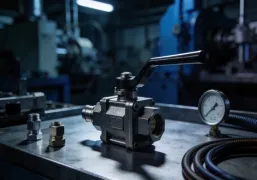
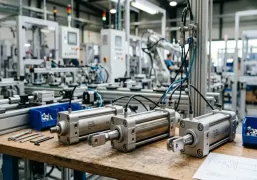
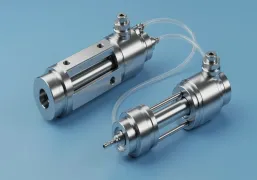
Everything engineers and procurement teams need to know about angle seat valves, how they work, and where they deliver the best results in industrial flow control.
Nobody thinks about a valve until it stops working. That's just how it goes on a shop floor — small stuff gets ignored right up until it causes a shutdown. Angle valves happen to be one of those quietly reliable parts that keep pipelines behaving themselves. So what's actually going on inside one, and where does it make sense to use one? Let's get into it.
If you've ever specced valves for a line and felt a bit lost between the options — this should clear things up. No jargon overload, just the practical stuff.
What Is an Angle Valve?
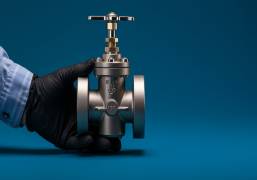
Picture a valve where the inlet and outlet aren't in a straight line. They meet at 90 degrees instead — that's the whole idea. Because the flow doesn't have to double back on itself the way it does in a standard globe valve, you end up with less turbulence and a gentler pressure drop. Simple change, real difference.
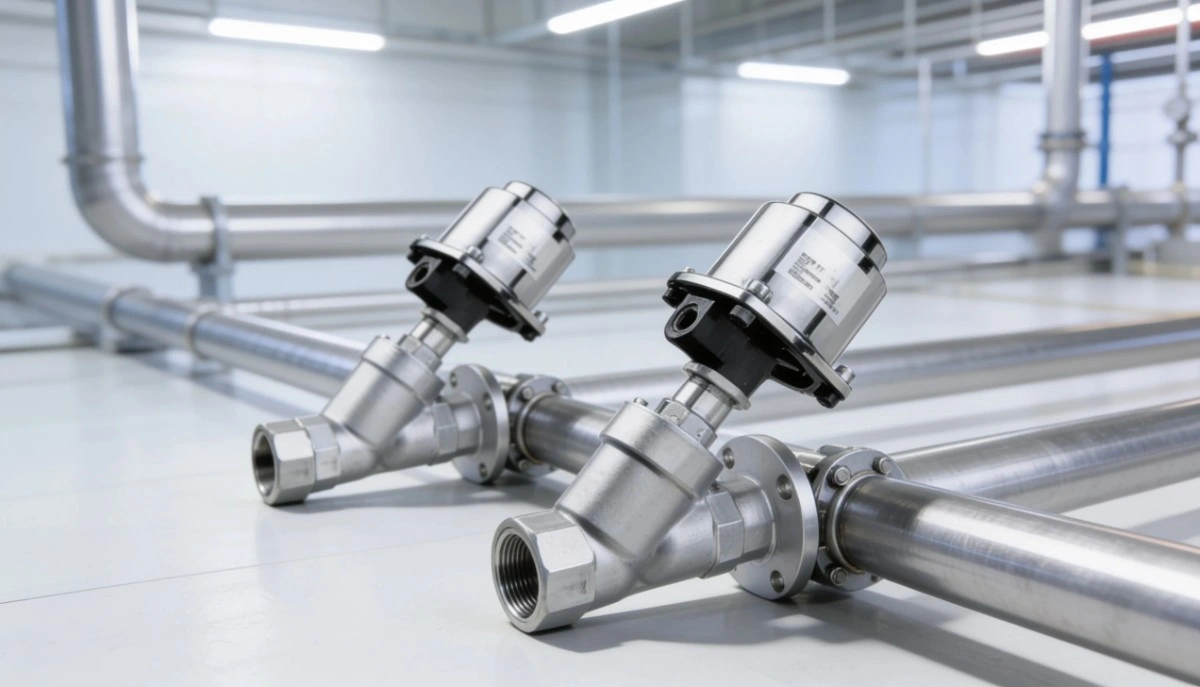
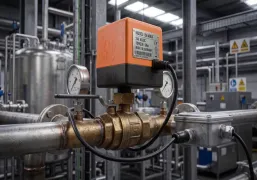
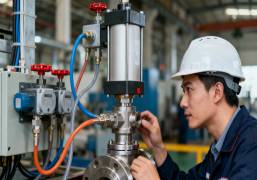
Most Pneumatic angle valves run on compressed air. Air pushes a piston, the piston lifts the seat, path opens up. Nothing fancy, and that's kind of the point — it's exactly why they hold up so well over time. The body's compact too, so they slot into cramped piping runs without anyone having to redesign half the skid around them.
Why Is It Important?
Here's the thing about a bad valve — it doesn't just leak, it costs you. Steam, water, gas, chemicals, whatever's moving through the line, a worn seat means pressure loss, drips, maybe a full stoppage at the worst possible time. Angle seat valves hold up under constant cycling in a way a lot of cheaper alternatives just don't.
There's an energy angle too, one that doesn't get talked about much. A valve that snaps shut cleanly means the compressor isn't fighting a slow leak all day long. Small thing on its own. Adds up fast over a month of runtime though.
Types and Variants
Not every angle valve is built the same way. Here's what you'll typically run into on a spec sheet or a supplier's catalogue:
- Pneumatically actuated angle seat valves, built for automated loops
- Basic manual angle valves — fine if all you need is on/off control
- Normally open or normally closed, depending on how your fail-safe needs to behave
- Single-seat and double-seat builds; the difference comes down to flow and sealing needs
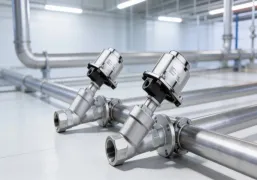
- Body material — brass, aluminium, or go with a stainless steel angle valve when the media calls for it
Three things really decide which one you need: the media, the pressure, and how many times a shift the valve actually has to cycle.
Features to Look For
Before locking in a supplier, worth running through this list first:
- Pressure rating — most lines top out around 16 bar, but always confirm it against your own system
- Seal material. Rubber's fine for general-purpose use; PTFE if things get chemically nasty
- Body material matters more than people think — brass and aluminium cover most jobs, stainless steel angle valve builds for anything corrosive
- Does it physically fit where you need it to go?
- Automation compatibility, assuming it's headed into a control loop
Did You Know: angle seat valves basically exist to fix a flow-resistance problem old globe valves had. That's the whole reason the internal path is shorter.
Angle Valve Working Principle
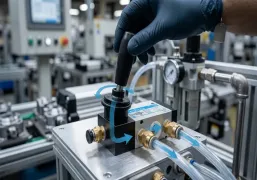
The angle valve working principle isn't complicated once you actually see it move. Compressed air fills the actuator chamber, that pressure pushes a piston, the piston's tied to the stem, and the stem lifts the seat off the seal — flow opens up in a straight line. Cut the air, or reverse it on double-acting models, and a spring (or opposing pressure) snaps the seat back shut.
Fewer moving parts means less to wear out. Cycling stays consistent even after thousands of repeats — part of why an Angle seat control valve keeps turning up in dosing setups and automated shut-off jobs instead of something more complicated.
Product Overview
A general look at how these get specified on the floor, nothing size- or price-specific:
| Aspect |
General Description |
| Valve Category |
Pneumatic angle valve / angle seat valve |
| Media Handled |
Air, water, steam, gas, oil, process chemicals |
| Actuation |
Pneumatic, single or double acting, with manual override on select models |
| Body Options |
Brass, aluminum, or stainless steel angle valve construction |
| Seal Options |
PTFE or high-grade rubber |
| Typical Cycling |
Suited to frequent, repeated on/off operation |
| Common Settings |
Pipelines, automation cells, steam lines, water treatment, chemical processing |
Trivia: older catalogues sometimes file these under 'globe-style' valves. The port angle sets them apart even though flow behaves quite differently once inside.
Benefits of Using Angle Valves
- Small footprint, doesn't eat up panel or skid space
- Pressure drop stays lower than most straight-through designs
- Seal holds up well, cycle after cycle after cycle
- Fewer internals to fuss over during servicing
- Decent chemical and heat resistance, assuming the seal material actually matches the job
- Works fine whether it's automated or you're running it by hand
Fact: the seat lifts straight up instead of sliding sideways, so wear tends to spread out evenly instead of digging a groove into one spot.
Applications and Use Cases
An Industrial angle valve turns up in more places than most people expect:
- Steam lines, process plants
- Water treatment and filtration setups
- Chemical dosing loops
- Food and beverage lines needing clean, hygienic flow control
- Automotive lines and general-purpose automation cells
- Packaging gear that needs fast, repeatable shut-off
Basically — anywhere a line switches open and closed constantly, angle seat valves tend to win out over bulkier options. And servicing usually doesn't mean yanking the whole valve body out of the line, which helps.
Expert Tips and Buying Guide
- Match seal to media: rubber for water and air, PTFE once things get chemically aggressive or hot
- Check your system's real working pressure — not just the peak number printed on a spec sheet
- Ask if both normally open and normally closed versions are on offer
- Don't skimp on body material. A stainless steel angle valve earns its keep in corrosive or washdown-heavy spots
- Talk to established angle valve manufacturers in Noida or reliable angle valve dealers in India — a good supplier helps you match the configuration instead of just handing you a part
About VS Enterprises
Established in 2013, VS Enterprises (V.S. Pneumatics) is a leading Manufacturer, Dealer, Supplier, Trader, and Retailer of pneumatic products and industrial automation in India. They have a vast product list that includes pneumatic cylinders, solenoid valves, air regulators, PU tubing, actuators, foot pedals, one-touch fittings, automation accessories, and more. Their offerings include customized products designed for long lasting performance with optimum efficiency and a minimum downtime. They have successfully catered to clients in automotive, food processing, packaging, construction, and manufacturing sectors, thereby gaining a strong foothold in the market through quality, customer satisfaction and quick nationwide deliveries.
FAQs
1. What makes an angle valve different from a regular globe valve?
Ans: Mostly the port layout. Inlet and outlet sit at 90 degrees instead of running straight through, so the flow doesn't have to double back on itself. That shorter internal path means less turbulence and a gentler pressure drop — small design tweak, but it changes how the valve performs under real load. (52 words)
2. How does a pneumatic angle valve actually open and close?
Ans: Compressed air fills the actuator chamber and pushes a piston connected to the stem. That lifts the seat off the seal, and flow opens up in a straight line. Cut the air — or reverse it on double-acting models — and a spring or opposing pressure snaps the seat shut again. Simple mechanism, honestly. (52 words)
3. When should I choose a stainless steel angle valve over brass or aluminium?
Ans: Basically whenever corrosion or hygiene is a concern. Brass and aluminium handle most general-purpose jobs fine, but stainless holds up better in washdown-heavy environments, aggressive chemicals, or food and beverage lines where cleanliness matters. It costs a bit more upfront, but it saves on replacements down the line. (49 words)
4. Are angle seat valves suitable for automated control systems?
Ans: Yes, that's actually where they shine. Pneumatically actuated angle seat valves cycle fast and stay consistent even after thousands of repetitions, which makes them a solid fit for dosing loops, packaging lines, and other automation cells. Manual versions exist too, for setups that just need basic on/off control. (49 words)
5. What kind of maintenance do angle valves typically need?
Ans: Not much, honestly — that's part of the appeal. Seals and internals can usually be serviced without pulling the whole valve body out of the line, which cuts downtime. Regular checks on the seal material and pressure rating go a long way toward avoiding leaks before they turn into bigger problems. (50 words)
6. Where can I source reliable angle valves for industrial use?
Ans: Working with established angle valve manufacturers in Noida or experienced angle valve dealers in India makes the process easier — they can guide you on body material, seal type, and configuration based on your actual media and pressure needs, rather than just handing over a generic off-the-shelf part. (48 words)
Conclusion
Angle valves aren't glamorous. Nobody's putting one on a brochure cover. But between the compact build, dependable shut-off, and a working principle that doesn't overcomplicate itself — they keep earning their spot on steam, water, and chemical lines, again and again.
Get the match right, valve to media, supplier to process, and it just quietly does its job for years. That's really all anyone can ask for.
| Looking for dependable angle valves in Noida or a trusted angle valve traders in Delhi? Get in touch to find the right configuration for your pipeline and automation needs. |